For many property owners, septic systems remain largely out of sight and out of mind until a problem arises. Hidden beneath lawns, driveways, and landscaped areas, these underground wastewater treatment systems quietly perform one of the most important functions in any home or commercial property. While they may not receive much attention during day-to-day life, septic systems play a crucial role in sanitation, environmental protection, and overall property functionality. As technology continues to evolve, the septic industry has embraced a range of innovations that are transforming the way systems are monitored, maintained, and serviced.
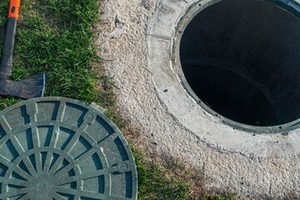
Modern The Septic Guys service is no longer limited to routine pumping and occasional inspections. Today’s advancements focus on improving efficiency, increasing system lifespan, reducing environmental impact, and helping property owners avoid expensive repairs. From smart monitoring technologies to advanced treatment solutions, the septic industry has undergone significant improvements that make wastewater management more reliable than ever before. Understanding these innovations can help homeowners make informed decisions about maintaining one of the most critical systems on their property.
The Essential Role of Septic Systems
Before exploring modern innovations, it is important to understand the basic function of a septic system. These systems are designed to collect, treat, and disperse wastewater from sinks, showers, toilets, washing machines, and other household fixtures. Through a combination of natural biological processes and engineered components, wastewater is treated before being safely returned to the surrounding environment.
A well-maintained septic system operates efficiently for decades. However, neglecting routine maintenance can lead to backups, unpleasant odours, drainage problems, and costly repairs. As environmental awareness and technological capabilities have advanced, the septic service industry has developed new methods to help property owners better manage these underground systems.
The growing emphasis on preventative maintenance has encouraged service providers to adopt innovative technologies that identify issues before they become serious. This shift represents a major departure from the traditional reactive approach that often focused only on resolving existing problems.
The Rise of Smart Septic Monitoring
One of the most significant advancements in modern septic service is the integration of smart monitoring technology. Similar to the way smart devices have transformed homes and businesses, connected monitoring systems are creating new opportunities for septic management.
These monitoring devices can track important system conditions in real time. Sensors may be installed within tanks and critical components to monitor liquid levels, system performance, and operational efficiency. Rather than waiting for visible warning signs, property owners can receive alerts when potential concerns arise.
This proactive approach offers several advantages. Early detection can reduce the likelihood of system failure, minimise emergency repair costs, and provide valuable information regarding maintenance needs. Service professionals can often identify developing issues before they disrupt normal system operation.
The availability of performance data also allows for more accurate maintenance scheduling. Instead of relying solely on general service intervals, maintenance can be tailored to actual system usage and conditions.
Advanced Inspection Technologies
Traditional septic inspections frequently involved extensive digging, guesswork, and time-consuming evaluations. Modern inspection technologies have dramatically changed this process, making assessments more accurate and less disruptive.
High-resolution inspection cameras are now commonly used to evaluate underground components and identify hidden problems. These specialised tools allow technicians to examine pipes, connections, and internal system conditions without unnecessary excavation.
Several innovations have improved inspection capabilities, including:
- Digital camera systems for underground pipe analysis.
- Mapping technology that identifies system component locations.
- Diagnostic equipment that measures operational performance.
- Video inspection tools that create visual records for future comparison.
These technologies enable service professionals to pinpoint issues with greater precision, reducing disruption to landscaping and minimising repair costs. Property owners benefit from faster diagnoses and a clearer understanding of their system’s condition.
Improved Wastewater Treatment Methods
Modern septic systems are increasingly incorporating advanced wastewater treatment methods designed to improve efficiency and environmental protection. These enhancements help systems process wastewater more effectively while reducing the risk of contamination.
Many newer treatment designs focus on increasing biological activity within the system. Beneficial microorganisms play an essential role in breaking down organic waste, and innovative treatment components help optimise this natural process.
Enhanced treatment solutions may include specialised filtration systems, treatment chambers, and additional processing stages that improve wastewater quality before it enters the drain field. These developments can be particularly beneficial for properties with challenging soil conditions or higher wastewater demands.
By improving treatment effectiveness, these modern solutions contribute to healthier ecosystems while extending overall system performance.
Environmentally Conscious Service Practices
Sustainability has become a major focus across numerous industries, and septic service is no exception. Modern innovations increasingly prioritise environmental responsibility while maintaining system efficiency.
Many service providers now employ practices that reduce waste, conserve resources, and minimise environmental disturbances during maintenance procedures. Advanced treatment technologies also contribute to reduced nutrient pollution and improved wastewater quality.
Today’s environmentally focused septic practices often include:
- More efficient waste removal processes.
- Improved wastewater treatment performance.
- Reduced system disruptions during maintenance.
- Enhanced protection of surrounding soil and groundwater.
- Greater emphasis on preventative service strategies.
These improvements align with growing consumer interest in sustainable property management solutions and responsible environmental stewardship.
Data-Driven Maintenance Strategies
The integration of digital technology has enabled a more data-driven approach to septic maintenance. Rather than relying solely on standard recommendations, maintenance schedules can increasingly be based on actual system performance and usage patterns.
Information gathered through inspections, monitoring systems, and service records provides valuable insights into long-term system health. This allows service professionals to identify trends and develop customised maintenance strategies suited to individual properties.
Data analysis can reveal factors such as wastewater volume, recurring performance issues, and maintenance effectiveness. By understanding these patterns, technicians can recommend targeted actions that help maximise system longevity.
This predictive maintenance approach often reduces unexpected failures and enables more efficient allocation of maintenance resources.
Innovations in Septic Tank Pumping
Although septic tank pumping remains one of the most fundamental maintenance procedures, even this essential service has benefited from technological progress. Modern pumping equipment is designed to improve efficiency, precision, and environmental safety.
Advanced vacuum systems allow service providers to remove accumulated waste more effectively while minimising the risk of spills or contamination. Improved equipment also enables technicians to perform services more quickly and thoroughly.
Modern pumping innovations contribute to:
- Faster waste removal.
- More complete tank cleaning.
- Reduced environmental impact.
- Improved service reliability.
- Better overall system preservation.
These advancements help ensure that routine pumping continues to support optimal septic system performance.
Enhanced Drain Field Protection Techniques
The drain field is one of the most important components of any septic system. When properly functioning, it allows treated wastewater to disperse safely into the surrounding soil. Damage to the drain field can lead to significant repair expenses and operational challenges.
Modern septic service innovations place greater emphasis on protecting this critical area. Improved diagnostic tools allow technicians to evaluate drain field performance before visible symptoms occur.
Innovative maintenance techniques help identify soil saturation, drainage restrictions, and other factors that may affect the system’s ability to process wastewater efficiently. Early intervention often prevents more severe and costly damage.
Property owners who understand the importance of drain field protection are generally better positioned to avoid system failures and maintain long-term performance.
The Growing Importance of Preventative Maintenance
One of the most notable shifts within the septic industry is the increasing focus on prevention rather than reaction. Historically, many property owners sought service only after encountering noticeable problems. Modern septic management emphasises identifying and addressing potential concerns before they escalate.
Preventative maintenance offers numerous benefits, including lower repair costs, improved reliability, and greater system longevity. Through routine inspections, monitoring technologies, and scheduled servicing, minor issues can often be resolved before they develop into major failures.
Key elements of preventative septic care include:
- Regular system inspections.
- Scheduled pumping and cleaning.
- Continuous performance monitoring.
- Prompt response to warning signs.
- Professional evaluation of system components.
By following these practices, property owners can reduce long-term expenses and maintain more dependable wastewater treatment performance.
The Impact of Innovation on Property Value
Modern septic service innovations can also contribute to property value and buyer confidence. Potential purchasers often view a well-maintained wastewater system as an indicator of responsible property ownership.
Systems that have documented maintenance histories, modern monitoring capabilities, and recent inspections may inspire greater confidence during the purchasing process. Buyers appreciate the reduced risk associated with systems that have been proactively managed and professionally maintained.
As technology continues to improve, advanced septic solutions may become increasingly desirable features for residential and commercial properties alike.
Looking Ahead: The Future of Septic Service
The future of septic service is expected to involve even greater integration of technology, automation, and sustainability. Emerging innovations continue to focus on improving efficiency while reducing environmental impact.
Artificial intelligence, remote diagnostics, predictive analytics, and enhanced treatment technologies may further transform how septic systems are managed in the coming years. These advancements have the potential to provide earlier warnings, more accurate maintenance recommendations, and improved overall system reliability.
As wastewater management requirements evolve, the septic industry will likely continue adapting to meet growing expectations for performance, sustainability, and convenience.
Modern septic service innovations are changing the way property owners approach wastewater management. What was once viewed primarily as a hidden underground utility has become a sophisticated system supported by advanced technology, improved treatment methods, and proactive maintenance strategies. From smart monitoring devices and digital inspections to environmentally responsible service practices and data-driven maintenance plans, today’s septic industry offers more effective solutions than ever before.
Understanding the hidden system beneath your property can help you make better decisions about maintenance, system care, and long-term investment. By embracing modern septic service innovations and prioritising preventative maintenance, property owners can improve system performance, extend equipment lifespan, reduce costly repairs, and ensure reliable wastewater treatment for years to come.