When the sun goes down and the neighbourhood becomes quiet, a different kind of activity often begins. Among the most persistent nighttime visitors are raccoons, intelligent and highly adaptable animals known for their ability to find food, shelter, and warmth in residential environments. While many people view raccoons as harmless wildlife, they can quickly become a serious problem when they decide to make a home in attics, crawl spaces, garages, chimneys, or under decks. Their curiosity, dexterity, and determination often allow them to gain access to areas of a property that homeowners rarely expect.
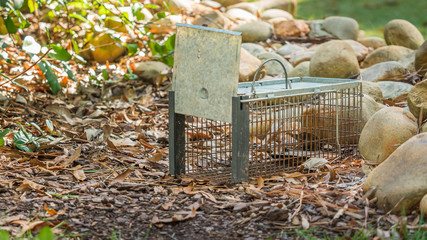
Raccoon Removal Service Texas has become an increasingly important aspect of property protection because these animals are capable of causing extensive damage in a relatively short period of time. They can tear insulation, damage roofing materials, chew through vents, contaminate living spaces, and create safety hazards for both people and pets. Understanding the signs of raccoon activity and the most effective removal strategies can help homeowners protect their properties while preventing expensive repairs and long-term structural issues.
Why Raccoons Are Attracted to Residential Properties
Raccoons are opportunistic animals that constantly search for food and safe shelter. Residential properties often provide everything they need to thrive. Open garbage bins, pet food left outdoors, bird feeders, gardens, fruit trees, and accessible water sources can all attract raccoons to a property. Once they identify a reliable source of food, they often return repeatedly and may eventually attempt to establish a nesting site nearby.
The appeal of homes extends beyond food. During colder months and breeding seasons, raccoons actively seek protected spaces where they can remain safe from predators and harsh weather conditions. Attics are particularly attractive because they provide warmth, darkness, and isolation. Unfortunately, once raccoons settle inside a structure, removing them becomes significantly more challenging.
Because raccoons are excellent climbers and surprisingly strong for their size, they can access roofs, upper-level vents, chimneys, and other elevated entry points with ease. Their adaptability makes prevention and early intervention essential for homeowners who want to avoid a full-scale infestation.
Common Signs of Raccoon Activity
One of the biggest challenges in dealing with raccoons is identifying their presence early. Since they are primarily nocturnal, many homeowners do not see the animals directly and remain unaware of the problem until noticeable damage appears.
Several warning signs may indicate raccoon activity around your property:
- Scratching or thumping sounds coming from the attic during the night.
- Torn roofing materials, vents, or soffits.
- Garbage bins that are frequently knocked over.
- Damaged gardens or disturbed landscaping.
- Animal droppings near entry points or nesting areas.
- Footprints around decks, fences, or soft soil.
- Strong odours originating from attic spaces or crawl areas.
These signs should never be ignored. The longer raccoons remain on a property, the greater the likelihood of structural damage and contamination issues developing.
The Hidden Damage Raccoons Can Cause
Many homeowners underestimate the destructive capabilities of raccoons. While a single visit to a rubbish bin may seem harmless, raccoons living within a structure can create significant problems over time. Their strength allows them to tear apart building materials in order to enlarge openings or create nesting spaces.
Once inside an attic, raccoons frequently destroy insulation by compressing it, tearing it apart, or contaminating it with urine and droppings. Damaged insulation loses its effectiveness and can contribute to reduced energy efficiency throughout the home. Over time, this can lead to higher heating and cooling costs.
Roof damage is another common consequence of raccoon activity. Animals attempting to enter a building may loosen shingles, pry open vents, or enlarge existing cracks. These openings can allow moisture to enter the structure, potentially causing wood rot, mould growth, and other costly issues.
Electrical systems may also be vulnerable. Raccoons have been known to chew on wiring, creating potential fire hazards and risking damage to critical household systems.
Health and Safety Concerns
In addition to structural damage, raccoons can introduce health risks to a property. Their droppings may contain harmful bacteria and parasites that can contaminate living areas if not handled properly. Areas where raccoons nest often become unsanitary due to accumulated waste and debris.
Homeowners should avoid direct contact with raccoons or their nesting materials. Attempting to remove animals without appropriate precautions can increase the risk of scratches, bites, or exposure to contaminants. Pets may also be at risk if they encounter raccoons, particularly when animals are protecting young offspring.
For these reasons, safe and responsible removal methods are essential whenever raccoon activity is discovered.
Why DIY Raccoon Removal Often Falls Short
Many property owners initially attempt do-it-yourself methods after noticing signs of raccoon activity. While some situations may appear simple, raccoon behaviour often makes removal more difficult than expected. These animals are intelligent problem-solvers that quickly adapt to changing conditions.
A homeowner may successfully scare a raccoon away temporarily, only to discover the animal returning later. If access points are not properly identified and secured, removal efforts can become a frustrating cycle of recurring activity.
Several challenges commonly complicate DIY removal:
- Difficulty locating all animal entry points.
- Hidden nesting sites within walls or attic spaces.
- Presence of young animals that remain concealed.
- Safety risks associated with handling wildlife.
- Incomplete exclusion measures that allow re-entry.
Without a comprehensive approach, temporary solutions often fail to provide lasting results.
The Importance of Humane Raccoon Removal
Modern wildlife management emphasises humane removal practices that address both the needs of property owners and animal welfare. Effective removal strategies focus on encouraging animals to leave safely while preventing future access to the property.
Humane approaches recognise that raccoons are simply seeking food and shelter rather than intentionally causing harm. By addressing attractants and securing vulnerable areas, homeowners can resolve conflicts without unnecessary harm to wildlife.
Removal plans typically involve identifying active nesting areas, assessing entry points, implementing exclusion methods, and ensuring that all animals have safely exited before sealing access locations. This process helps achieve long-term results while reducing stress on both homeowners and wildlife.
Preventing Future Infestations
Once raccoons have been removed, prevention becomes the most important step. A property that previously attracted raccoons may remain appealing unless corrective measures are taken.
Property owners can significantly reduce future wildlife activity by addressing common attractants and strengthening vulnerable areas of the home. Prevention is often far less expensive than dealing with repeated infestations and subsequent repairs.
Consider the following preventative measures:
- Secure rubbish containers with tight-fitting lids.
- Remove outdoor food sources whenever possible.
- Store pet food indoors.
- Trim tree branches that provide easy roof access.
- Inspect roofing and vents regularly.
- Repair damaged soffits and fascia boards promptly.
- Install protective coverings over potential entry points.
These simple actions can make a property considerably less attractive to raccoons seeking shelter or food.
Protecting Attics and Roof Structures
Attics are among the most common raccoon nesting locations because they provide warmth, privacy, and protection from weather conditions. As a result, homeowners should prioritise attic and roof maintenance as part of an overall wildlife prevention strategy.
Regular inspections can help identify vulnerabilities before animals gain access. Small openings that appear insignificant may be large enough for a determined raccoon to exploit. Prompt repairs help eliminate opportunities for entry while maintaining the structural integrity of the home.
Vent covers, chimney caps, and reinforced screening can provide additional protection against intrusion. These barriers are particularly beneficial in areas where wildlife encounters are more common.
Maintaining a secure roof structure not only prevents raccoon access but also reduces the likelihood of problems involving other nuisance animals.
The Role of Ongoing Monitoring
Successful raccoon management does not end after removal. Continued monitoring helps ensure that exclusion measures remain effective and that new wildlife activity is detected quickly.
Homeowners should conduct periodic assessments of their property, paying close attention to:
- Roof edges and vent openings.
- Crawl spaces and foundation areas.
- Outdoor food and water sources.
- Signs of digging or animal tracks.
- Unusual noises during nighttime hours.
Routine monitoring allows property owners to address concerns before they develop into major problems.
A proactive approach is often the best defence against future wildlife intrusions and costly property damage.
Long-Term Benefits of Professional Raccoon Control
Professional raccoon removal services offer advantages that extend well beyond simply removing animals from a property. Comprehensive inspections, exclusion strategies, sanitation measures, and prevention recommendations help create lasting protection for the home.
Professionals are often able to identify hidden vulnerabilities that homeowners may overlook. They can also recommend repairs and improvements that reduce the risk of future wildlife encounters.
Investing in proper raccoon control can ultimately save money by preventing structural repairs, insulation replacement, and recurring infestations. More importantly, it helps restore safety, comfort, and peace of mind for everyone living on the property.
Raccoons may appear harmless from a distance, but when they establish themselves within a home or around a property, they can become highly destructive nighttime intruders. Their search for food, warmth, and shelter often leads them into attics, crawl spaces, garages, and other vulnerable areas where they can cause structural damage, create health concerns, and generate costly repair bills.
Understanding the warning signs of raccoon activity, implementing effective removal strategies, and investing in preventative measures are essential steps toward protecting your property. From securing food sources and repairing entry points to conducting regular inspections and monitoring for wildlife activity, proactive action remains the most effective defence. By addressing raccoon issues promptly and comprehensively, homeowners can safeguard their homes, preserve property value, and enjoy greater peace of mind knowing their living environment is protected from unwanted nighttime visitors.