Pest Control

How to Get Rid of Bed Bugs Effectively

Bed bugs are among the most frustrating pests a homeowner can face. These tiny insects are notorious for hiding in mattresses, furniture, cracks in walls, and other hard-to-reach areas, making them difficult to eliminate once they establish themselves indoors. Beyond the physical discomfort caused by their bites, bed bug infestations often lead to stress, sleepless nights, and concerns about hygiene. Understanding how to get rid of bed bugs effectively is essential for restoring comfort and peace of mind in your home.

While bed bugs do not necessarily indicate poor cleanliness, they can spread quickly and survive for extended periods without feeding. Their resilience means that a simple cleaning routine is rarely enough to eliminate them. Successful bed bug control requires a combination of thorough inspection, targeted treatment, preventive actions, and ongoing monitoring. This guide explores proven strategies to help homeowners identify, remove, and prevent bed bug infestations. Find out more at https://www.benspest.biz/.
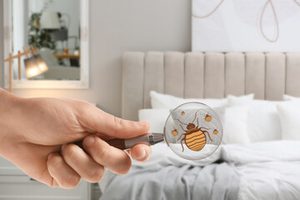
bed bugs

Understanding Bed Bugs and Their Behaviour

Bed bugs are small, reddish-brown insects that feed on the blood of humans and animals. They are most active at night and typically hide during the day in crevices close to their hosts. Because of their flat bodies, they can squeeze into extremely narrow spaces, making them difficult to detect.

Many people first discover a bed bug problem after noticing bite marks on their skin. However, bites alone are not enough to confirm an infestation, as reactions vary widely from person to person. Other signs of bed bugs include tiny dark spots on bedding, shed skins, eggs, and live insects hiding around sleeping areas.

One reason bed bugs are so difficult to remove is their ability to reproduce rapidly. A small infestation can quickly become a widespread problem if left untreated. Early detection is therefore one of the most important factors in effective bed bug control.

Signs You May Have a Bed Bug Infestation

Recognising the early warning signs can help prevent a minor problem from becoming a major one. Bed bugs are masters of concealment, but they often leave clues behind.

Common indicators include:

  1. Small red bites that often appear in clusters or lines.
  2. Tiny blood stains on sheets or pillowcases.
  3. Dark spots on mattresses and furniture.
  4. Shed skins and eggshells near hiding places.
  5. A musty odour in heavily infested areas.

Many homeowners initially mistake bed bug bites for mosquito bites or allergic reactions. If unexplained bites persist and are accompanied by any of the signs above, a thorough inspection should be conducted immediately.

Conducting a Detailed Inspection

Before beginning treatment, it is essential to determine the extent of the infestation. Bed bugs tend to gather close to sleeping areas but can spread throughout an entire home if given enough time.

Inspect the following areas carefully:

  • Mattress seams and tags
  • Box springs
  • Bed frames and headboards
  • Upholstered furniture
  • Curtains and fabric folds
  • Electrical outlets
  • Cracks in walls and baseboards
  • Luggage and storage containers

Using a flashlight can help reveal insects hiding in dark spaces. Pay particular attention to areas within a few feet of where people sleep, as bed bugs prefer to remain close to their food source.

A careful inspection provides valuable information about where treatments should be focused for maximum effectiveness.

Declutter and Reduce Hiding Places

One of the first steps in eliminating bed bugs is reducing the number of places where they can hide. Excess clutter creates countless shelter opportunities and makes treatment significantly more difficult.

Sort through belongings and remove unnecessary items from affected rooms. Books, clothing, boxes, and stored materials should be organised and inspected carefully. Items that cannot be cleaned or treated may need to be discarded, particularly if they are heavily infested.

When disposing of infested materials, seal them securely in plastic bags to prevent the insects from spreading to other locations. Proper disposal helps reduce the population and supports other treatment efforts.

Decluttering also allows for more thorough cleaning and makes it easier to identify areas where bed bugs may still be present.

Wash and Heat-Treat Fabrics

Heat is one of the most effective tools for killing bed bugs at all life stages. Bedding, clothing, curtains, and other washable fabrics should be handled carefully to avoid spreading insects throughout the home.

To treat fabrics effectively:

  1. Place infested items directly into sealed bags before transport.
  2. Wash items using hot water whenever fabric care instructions allow.
  3. Dry items on the highest safe heat setting.
  4. Store cleaned items in sealed containers or bags until the infestation is eliminated.

The combination of washing and drying at high temperatures can kill bed bugs and their eggs, making this step a crucial part of any treatment plan.

Even items that appear unaffected should be cleaned if they have been stored near infested areas.

Vacuum Thoroughly and Frequently

Vacuuming is an effective method for reducing bed bug populations and removing eggs from surfaces. While vacuuming alone will not eliminate an infestation, it serves as an important component of an integrated approach.

Focus on:

  • Mattress seams
  • Bed frames
  • Carpets
  • Baseboards
  • Furniture joints
  • Cracks and crevices

Use attachments designed for narrow spaces to reach hidden locations. Once vacuuming is complete, dispose of the vacuum contents immediately in a sealed bag and place it outdoors.

Repeating this process regularly can significantly reduce the number of insects and improve the effectiveness of other treatment methods.

Use Mattress and Box Spring Encasements

Specialised bed bug-proof encasements help prevent insects from entering or escaping mattresses and box springs. These protective covers trap any insects already inside and eliminate one of their favourite hiding places.

Mattress encasements should remain in place for an extended period because bed bugs can survive for months without feeding. Quality encasements also make inspections easier and reduce the likelihood of future infestations becoming established.

Although encasements do not kill bed bugs throughout the home, they are highly valuable as part of a comprehensive treatment strategy.

Apply Targeted Treatment Methods

After cleaning and reducing clutter, treatment measures should focus on areas where bed bugs hide. Depending on the severity of the infestation, multiple approaches may be required.

Common treatment methods include:

  • Heat treatments
  • Steam treatments
  • Carefully selected insecticides
  • Dust formulations designed for cracks and voids
  • Bed bug interceptors placed beneath furniture legs

Steam treatment can be particularly effective because high temperatures penetrate fabric surfaces and kill insects on contact. However, steam must be applied carefully to ensure all potential hiding places are addressed.

Combining several treatment options often produces better results than relying on a single method.

Monitor Progress Consistently

A common mistake homeowners make is assuming bed bugs are gone after a few days without bites. Unfortunately, surviving insects may remain hidden and emerge later.

Monitoring helps confirm whether treatments have been successful. Regular inspections should continue for several weeks after treatment.

Effective monitoring strategies include:

  1. Checking mattress seams and furniture regularly.
  2. Using interception devices beneath bed and furniture legs.
  3. Looking for fresh signs of activity.
  4. Keeping sleeping areas uncluttered for easier observation.

Patience is important because complete elimination often requires multiple treatment cycles.

Prevent Future Infestations

Once bed bugs have been removed, preventive measures can help reduce the risk of another infestation. Since bed bugs are frequently transported on personal belongings, vigilance remains important even after successful treatment.

Helpful prevention habits include inspecting luggage after travel, examining second-hand furniture before bringing it indoors, and maintaining a clean, organised sleeping environment.

Homeowners should also periodically inspect mattresses, bed frames, and upholstered furniture. Early detection allows for faster intervention and reduces the likelihood of a severe infestation developing.

Preventive efforts require minimal time compared to the challenges associated with eliminating a large bed bug population.

When Professional Assistance May Be Necessary

Some infestations become so widespread that professional intervention offers the most practical solution. Severe infestations often involve multiple rooms and hidden harbourages that are difficult to access using standard household treatments.

Professionals typically employ advanced techniques and specialised equipment that can address infestations more comprehensively. They can also identify problem areas that may be overlooked during self-treatment efforts.

If repeated attempts have not resolved the issue, seeking expert guidance may help achieve faster and more reliable results.

Common Mistakes to Avoid

Many bed bug infestations persist because treatment efforts are incomplete or poorly targeted. Avoiding common mistakes can improve your chances of success.

Some of the most frequent errors include:

  1. Treating only the mattress while ignoring nearby hiding places.
  2. Throwing away furniture without addressing the wider infestation.
  3. Stopping treatment too soon.
  4. Failing to inspect adjacent rooms.
  5. Moving infested items throughout the home.

Bed bugs are highly adaptable and can survive in unexpected locations. Comprehensive treatment and consistent monitoring are essential for long-term success.

Conclusion

Learning how to get rid of bed bugs effectively involves much more than spraying a mattress or washing bedding. Successful elimination requires a strategic approach that includes inspection, decluttering, heat treatment, targeted control measures, and ongoing monitoring. Because bed bugs are skilled at hiding and reproducing, persistence is often the key to overcoming an infestation.

By acting quickly at the first signs of bed bugs and implementing a thorough treatment plan, homeowners can regain control of their living spaces and prevent the problem from worsening. With careful attention to detail and consistent follow-up efforts, it is possible to eliminate bed bugs and enjoy a cleaner, more comfortable, and pest-free home.
Pest Control

Raccoon Removal: Protecting Your Home from Nighttime Intruders

When the sun goes down and the neighbourhood becomes quiet, a different kind of activity often begins. Among the most persistent nighttime visitors are raccoons, intelligent and highly adaptable animals known for their ability to find food, shelter, and warmth in residential environments. While many people view raccoons as harmless wildlife, they can quickly become a serious problem when they decide to make a home in attics, crawl spaces, garages, chimneys, or under decks. Their curiosity, dexterity, and determination often allow them to gain access to areas of a property that homeowners rarely expect.

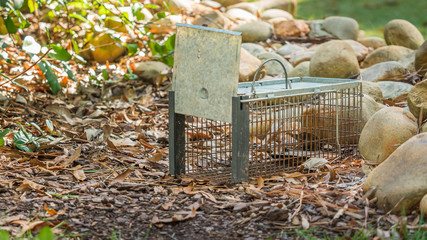
raccoon removal

Raccoon Removal Service Texas has become an increasingly important aspect of property protection because these animals are capable of causing extensive damage in a relatively short period of time. They can tear insulation, damage roofing materials, chew through vents, contaminate living spaces, and create safety hazards for both people and pets. Understanding the signs of raccoon activity and the most effective removal strategies can help homeowners protect their properties while preventing expensive repairs and long-term structural issues.

Why Raccoons Are Attracted to Residential Properties

Raccoons are opportunistic animals that constantly search for food and safe shelter. Residential properties often provide everything they need to thrive. Open garbage bins, pet food left outdoors, bird feeders, gardens, fruit trees, and accessible water sources can all attract raccoons to a property. Once they identify a reliable source of food, they often return repeatedly and may eventually attempt to establish a nesting site nearby.

The appeal of homes extends beyond food. During colder months and breeding seasons, raccoons actively seek protected spaces where they can remain safe from predators and harsh weather conditions. Attics are particularly attractive because they provide warmth, darkness, and isolation. Unfortunately, once raccoons settle inside a structure, removing them becomes significantly more challenging.

Because raccoons are excellent climbers and surprisingly strong for their size, they can access roofs, upper-level vents, chimneys, and other elevated entry points with ease. Their adaptability makes prevention and early intervention essential for homeowners who want to avoid a full-scale infestation.

Common Signs of Raccoon Activity

One of the biggest challenges in dealing with raccoons is identifying their presence early. Since they are primarily nocturnal, many homeowners do not see the animals directly and remain unaware of the problem until noticeable damage appears.

Several warning signs may indicate raccoon activity around your property:

  1. Scratching or thumping sounds coming from the attic during the night.
  2. Torn roofing materials, vents, or soffits.
  3. Garbage bins that are frequently knocked over.
  4. Damaged gardens or disturbed landscaping.
  5. Animal droppings near entry points or nesting areas.
  6. Footprints around decks, fences, or soft soil.
  7. Strong odours originating from attic spaces or crawl areas.

These signs should never be ignored. The longer raccoons remain on a property, the greater the likelihood of structural damage and contamination issues developing.

The Hidden Damage Raccoons Can Cause

Many homeowners underestimate the destructive capabilities of raccoons. While a single visit to a rubbish bin may seem harmless, raccoons living within a structure can create significant problems over time. Their strength allows them to tear apart building materials in order to enlarge openings or create nesting spaces.

Once inside an attic, raccoons frequently destroy insulation by compressing it, tearing it apart, or contaminating it with urine and droppings. Damaged insulation loses its effectiveness and can contribute to reduced energy efficiency throughout the home. Over time, this can lead to higher heating and cooling costs.

Roof damage is another common consequence of raccoon activity. Animals attempting to enter a building may loosen shingles, pry open vents, or enlarge existing cracks. These openings can allow moisture to enter the structure, potentially causing wood rot, mould growth, and other costly issues.

Electrical systems may also be vulnerable. Raccoons have been known to chew on wiring, creating potential fire hazards and risking damage to critical household systems.

Health and Safety Concerns

In addition to structural damage, raccoons can introduce health risks to a property. Their droppings may contain harmful bacteria and parasites that can contaminate living areas if not handled properly. Areas where raccoons nest often become unsanitary due to accumulated waste and debris.

Homeowners should avoid direct contact with raccoons or their nesting materials. Attempting to remove animals without appropriate precautions can increase the risk of scratches, bites, or exposure to contaminants. Pets may also be at risk if they encounter raccoons, particularly when animals are protecting young offspring.

For these reasons, safe and responsible removal methods are essential whenever raccoon activity is discovered.

Why DIY Raccoon Removal Often Falls Short

Many property owners initially attempt do-it-yourself methods after noticing signs of raccoon activity. While some situations may appear simple, raccoon behaviour often makes removal more difficult than expected. These animals are intelligent problem-solvers that quickly adapt to changing conditions.

A homeowner may successfully scare a raccoon away temporarily, only to discover the animal returning later. If access points are not properly identified and secured, removal efforts can become a frustrating cycle of recurring activity.

Several challenges commonly complicate DIY removal:

  1. Difficulty locating all animal entry points.
  2. Hidden nesting sites within walls or attic spaces.
  3. Presence of young animals that remain concealed.
  4. Safety risks associated with handling wildlife.
  5. Incomplete exclusion measures that allow re-entry.

Without a comprehensive approach, temporary solutions often fail to provide lasting results.

The Importance of Humane Raccoon Removal

Modern wildlife management emphasises humane removal practices that address both the needs of property owners and animal welfare. Effective removal strategies focus on encouraging animals to leave safely while preventing future access to the property.

Humane approaches recognise that raccoons are simply seeking food and shelter rather than intentionally causing harm. By addressing attractants and securing vulnerable areas, homeowners can resolve conflicts without unnecessary harm to wildlife.

Removal plans typically involve identifying active nesting areas, assessing entry points, implementing exclusion methods, and ensuring that all animals have safely exited before sealing access locations. This process helps achieve long-term results while reducing stress on both homeowners and wildlife.

Preventing Future Infestations

Once raccoons have been removed, prevention becomes the most important step. A property that previously attracted raccoons may remain appealing unless corrective measures are taken.

Property owners can significantly reduce future wildlife activity by addressing common attractants and strengthening vulnerable areas of the home. Prevention is often far less expensive than dealing with repeated infestations and subsequent repairs.

Consider the following preventative measures:

  • Secure rubbish containers with tight-fitting lids.
  • Remove outdoor food sources whenever possible.
  • Store pet food indoors.
  • Trim tree branches that provide easy roof access.
  • Inspect roofing and vents regularly.
  • Repair damaged soffits and fascia boards promptly.
  • Install protective coverings over potential entry points.

These simple actions can make a property considerably less attractive to raccoons seeking shelter or food.

Protecting Attics and Roof Structures

Attics are among the most common raccoon nesting locations because they provide warmth, privacy, and protection from weather conditions. As a result, homeowners should prioritise attic and roof maintenance as part of an overall wildlife prevention strategy.

Regular inspections can help identify vulnerabilities before animals gain access. Small openings that appear insignificant may be large enough for a determined raccoon to exploit. Prompt repairs help eliminate opportunities for entry while maintaining the structural integrity of the home.

Vent covers, chimney caps, and reinforced screening can provide additional protection against intrusion. These barriers are particularly beneficial in areas where wildlife encounters are more common.

Maintaining a secure roof structure not only prevents raccoon access but also reduces the likelihood of problems involving other nuisance animals.

The Role of Ongoing Monitoring

Successful raccoon management does not end after removal. Continued monitoring helps ensure that exclusion measures remain effective and that new wildlife activity is detected quickly.

Homeowners should conduct periodic assessments of their property, paying close attention to:

  1. Roof edges and vent openings.
  2. Crawl spaces and foundation areas.
  3. Outdoor food and water sources.
  4. Signs of digging or animal tracks.
  5. Unusual noises during nighttime hours.

Routine monitoring allows property owners to address concerns before they develop into major problems.

A proactive approach is often the best defence against future wildlife intrusions and costly property damage.

Long-Term Benefits of Professional Raccoon Control

Professional raccoon removal services offer advantages that extend well beyond simply removing animals from a property. Comprehensive inspections, exclusion strategies, sanitation measures, and prevention recommendations help create lasting protection for the home.

Professionals are often able to identify hidden vulnerabilities that homeowners may overlook. They can also recommend repairs and improvements that reduce the risk of future wildlife encounters.

Investing in proper raccoon control can ultimately save money by preventing structural repairs, insulation replacement, and recurring infestations. More importantly, it helps restore safety, comfort, and peace of mind for everyone living on the property.

Raccoons may appear harmless from a distance, but when they establish themselves within a home or around a property, they can become highly destructive nighttime intruders. Their search for food, warmth, and shelter often leads them into attics, crawl spaces, garages, and other vulnerable areas where they can cause structural damage, create health concerns, and generate costly repair bills.

Understanding the warning signs of raccoon activity, implementing effective removal strategies, and investing in preventative measures are essential steps toward protecting your property. From securing food sources and repairing entry points to conducting regular inspections and monitoring for wildlife activity, proactive action remains the most effective defence. By addressing raccoon issues promptly and comprehensively, homeowners can safeguard their homes, preserve property value, and enjoy greater peace of mind knowing their living environment is protected from unwanted nighttime visitors.