Raccoons are clever, resourceful creatures that often venture into residential areas in search of food, water, and shelter. While their masked faces and dexterous paws make them intriguing to watch, their presence around homes can quickly become a problem. Raccoons can damage property, spread disease, and create stressful situations for homeowners. Addressing raccoon intrusions requires more than just removing a single animal—it involves understanding their behavior, identifying vulnerabilities in your property, and implementing strategies for long-term Raccoon Removal Service Texas.
Why Raccoons Invade Homes
Raccoons are primarily nocturnal and opportunistic. They are drawn to human environments where food is easily accessible and shelter is plentiful. Common attractants include:
- Garbage and compost bins – Open or unsecured trash provides a steady food source.
- Pet food left outdoors – Dogs’ and cats’ food bowls are an easy target for hungry raccoons.
- Fruit trees and gardens – Fallen fruit or unprotected gardens offer easy snacks.
- Lofts, attics, and sheds – Elevated spaces offer safety, quiet, and protection from predators.
Their intelligence and adaptability make them capable of solving puzzles and navigating obstacles, allowing them to exploit gaps, vents, and weak spots in buildings to gain entry.
Signs of a Raccoon Infestation
Detecting raccoons early is crucial for preventing extensive damage and health risks. Common indicators include:
- Noises during the night – Scratching, thumping, or squealing in attics, ceilings, or walls signals activity.
- Visible damage – Chewed vents, torn shingles, and broken roof tiles indicate attempted entry.
- Tracks and droppings – Raccoon tracks are often visible in soil or snow, and droppings may be found near garbage bins or along walls.
- Scattered food – Torn trash bags, disturbed compost, or emptied bird feeders point to raccoon foraging.
- Nest materials – Shredded paper, insulation, or fabrics in hidden corners of attics or sheds suggest nesting activity.
Recognizing these signs early allows homeowners to take proactive measures before raccoons establish permanent residency.
Risks of Having Raccoons Around
While raccoons may appear harmless, their presence can create several serious issues:
- Property Damage: Raccoons are strong and persistent, often tearing into roofing, insulation, vents, and wiring while establishing nests.
- Health Hazards: Raccoons can carry rabies, leptospirosis, and raccoon roundworm. Contact with droppings, urine, or saliva may pose risks to humans and pets.
- Food Contamination: Access to stored food, compost, or pet food can result in contamination, creating hygiene concerns.
Understanding these risks highlights the importance of effective raccoon removal and property protection.
Effective Raccoon Removal Techniques
Professional raccoon removal involves a combination of humane capture, property assessment, and preventive measures. Key strategies include:
- Inspection – Identify entry points, nesting locations, and food sources. Professionals examine attics, lofts, roof spaces, chimneys, vents, and nearby trees.
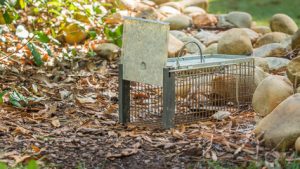
- Humane Trapping – Live traps placed along raccoon travel routes capture animals without harming them. Traps are set with care to avoid injury to pets or children.
- Exclusion and Repair – After removal, entry points are sealed, damaged vents repaired, and attics reinforced to prevent re-entry.
- Sanitation – Eliminating food and water sources discourages raccoons from returning. Garbage bins, compost piles, and pet food should be secured.
- Monitoring – Follow-up inspections and monitoring ensure that remaining raccoons are detected and new ones cannot enter.
These methods address both the immediate problem and reduce future risks, ensuring long-term protection for the home.
Preventing Raccoon Return
Once the initial removal is complete, preventive measures are essential:
- Maintain Structural Integrity – Regularly inspect roofs, vents, chimneys, and attic spaces for gaps or weak points. Repair any vulnerabilities promptly.
- Trim Trees and Shrubs – Remove branches that touch the roof or overhang the home to prevent raccoon access. Clear brush and maintain a clean yard perimeter.
- Secure Food Sources – Keep trash in raccoon-proof containers and bring pet food indoors. Manage compost and bird feeders carefully.
- Eliminate Standing Water – Remove sources of water, such as clogged gutters or leaky faucets, to make the property less attractive.
- Organize Attics and Storage Areas – Reduce clutter and remove potential nesting materials. Organized storage spaces make detection easier and prevent hiding spots.
Implementing these steps creates a less inviting environment for raccoons, reducing the chance of reinfestation.
Health and Safety Considerations
Raccoons can transmit diseases to humans and pets. Their droppings may contain parasites, while bites or scratches can transmit rabies. Beyond health risks, property damage from raccoon activity, including chewed electrical wiring and insulation, can lead to fire hazards and costly repairs. Proper removal and preventive strategies reduce these risks and maintain a safe living environment.
Benefits of Professional Raccoon Removal
While homeowners may attempt DIY removal, professional services offer advantages:
- Expert Knowledge: Professionals understand raccoon behavior, nesting habits, and movement patterns, improving the success of removal efforts.
- Humane Handling: Animals are captured and relocated safely, following local regulations.
- Long-Term Solutions: Exclusion, sanitation, and monitoring prevent future infestations.
- Property Protection: Minimizes additional damage during removal and ensures the home remains secure.
Professional raccoon removal ensures thorough, safe, and lasting results, providing peace of mind to homeowners.
Raccoon removal is more than just capturing a single animal—it is a comprehensive approach that involves inspection, humane removal, exclusion, sanitation, and ongoing prevention. These clever, nocturnal mammals can cause structural damage, create health risks, and challenge homeowners with their persistence.
By understanding raccoon behavior and implementing a strategic plan, homeowners can protect their property, maintain safety, and enjoy peace of mind. Regular inspections, proper maintenance, and preventive measures are key to keeping raccoons from returning, ensuring that the home remains secure and free of wildlife disturbances for the long term.