Bed bugs are among the most frustrating pests a homeowner can face. These tiny insects are notorious for hiding in mattresses, furniture, cracks in walls, and other hard-to-reach areas, making them difficult to eliminate once they establish themselves indoors. Beyond the physical discomfort caused by their bites, bed bug infestations often lead to stress, sleepless nights, and concerns about hygiene. Understanding how to get rid of bed bugs effectively is essential for restoring comfort and peace of mind in your home.
While bed bugs do not necessarily indicate poor cleanliness, they can spread quickly and survive for extended periods without feeding. Their resilience means that a simple cleaning routine is rarely enough to eliminate them. Successful bed bug control requires a combination of thorough inspection, targeted treatment, preventive actions, and ongoing monitoring. This guide explores proven strategies to help homeowners identify, remove, and prevent bed bug infestations. Find out more at https://www.benspest.biz/.
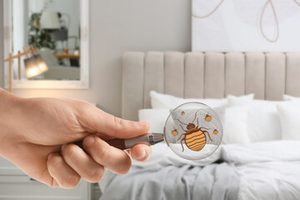
Understanding Bed Bugs and Their Behaviour
Bed bugs are small, reddish-brown insects that feed on the blood of humans and animals. They are most active at night and typically hide during the day in crevices close to their hosts. Because of their flat bodies, they can squeeze into extremely narrow spaces, making them difficult to detect.
Many people first discover a bed bug problem after noticing bite marks on their skin. However, bites alone are not enough to confirm an infestation, as reactions vary widely from person to person. Other signs of bed bugs include tiny dark spots on bedding, shed skins, eggs, and live insects hiding around sleeping areas.
One reason bed bugs are so difficult to remove is their ability to reproduce rapidly. A small infestation can quickly become a widespread problem if left untreated. Early detection is therefore one of the most important factors in effective bed bug control.
Signs You May Have a Bed Bug Infestation
Recognising the early warning signs can help prevent a minor problem from becoming a major one. Bed bugs are masters of concealment, but they often leave clues behind.
Common indicators include:
- Small red bites that often appear in clusters or lines.
- Tiny blood stains on sheets or pillowcases.
- Dark spots on mattresses and furniture.
- Shed skins and eggshells near hiding places.
- A musty odour in heavily infested areas.
Many homeowners initially mistake bed bug bites for mosquito bites or allergic reactions. If unexplained bites persist and are accompanied by any of the signs above, a thorough inspection should be conducted immediately.
Conducting a Detailed Inspection
Before beginning treatment, it is essential to determine the extent of the infestation. Bed bugs tend to gather close to sleeping areas but can spread throughout an entire home if given enough time.
Inspect the following areas carefully:
- Mattress seams and tags
- Box springs
- Bed frames and headboards
- Upholstered furniture
- Curtains and fabric folds
- Electrical outlets
- Cracks in walls and baseboards
- Luggage and storage containers
Using a flashlight can help reveal insects hiding in dark spaces. Pay particular attention to areas within a few feet of where people sleep, as bed bugs prefer to remain close to their food source.
A careful inspection provides valuable information about where treatments should be focused for maximum effectiveness.
Declutter and Reduce Hiding Places
One of the first steps in eliminating bed bugs is reducing the number of places where they can hide. Excess clutter creates countless shelter opportunities and makes treatment significantly more difficult.
Sort through belongings and remove unnecessary items from affected rooms. Books, clothing, boxes, and stored materials should be organised and inspected carefully. Items that cannot be cleaned or treated may need to be discarded, particularly if they are heavily infested.
When disposing of infested materials, seal them securely in plastic bags to prevent the insects from spreading to other locations. Proper disposal helps reduce the population and supports other treatment efforts.
Decluttering also allows for more thorough cleaning and makes it easier to identify areas where bed bugs may still be present.
Wash and Heat-Treat Fabrics
Heat is one of the most effective tools for killing bed bugs at all life stages. Bedding, clothing, curtains, and other washable fabrics should be handled carefully to avoid spreading insects throughout the home.
To treat fabrics effectively:
- Place infested items directly into sealed bags before transport.
- Wash items using hot water whenever fabric care instructions allow.
- Dry items on the highest safe heat setting.
- Store cleaned items in sealed containers or bags until the infestation is eliminated.
The combination of washing and drying at high temperatures can kill bed bugs and their eggs, making this step a crucial part of any treatment plan.
Even items that appear unaffected should be cleaned if they have been stored near infested areas.
Vacuum Thoroughly and Frequently
Vacuuming is an effective method for reducing bed bug populations and removing eggs from surfaces. While vacuuming alone will not eliminate an infestation, it serves as an important component of an integrated approach.
Focus on:
- Mattress seams
- Bed frames
- Carpets
- Baseboards
- Furniture joints
- Cracks and crevices
Use attachments designed for narrow spaces to reach hidden locations. Once vacuuming is complete, dispose of the vacuum contents immediately in a sealed bag and place it outdoors.
Repeating this process regularly can significantly reduce the number of insects and improve the effectiveness of other treatment methods.
Use Mattress and Box Spring Encasements
Specialised bed bug-proof encasements help prevent insects from entering or escaping mattresses and box springs. These protective covers trap any insects already inside and eliminate one of their favourite hiding places.
Mattress encasements should remain in place for an extended period because bed bugs can survive for months without feeding. Quality encasements also make inspections easier and reduce the likelihood of future infestations becoming established.
Although encasements do not kill bed bugs throughout the home, they are highly valuable as part of a comprehensive treatment strategy.
Apply Targeted Treatment Methods
After cleaning and reducing clutter, treatment measures should focus on areas where bed bugs hide. Depending on the severity of the infestation, multiple approaches may be required.
Common treatment methods include:
- Heat treatments
- Steam treatments
- Carefully selected insecticides
- Dust formulations designed for cracks and voids
- Bed bug interceptors placed beneath furniture legs
Steam treatment can be particularly effective because high temperatures penetrate fabric surfaces and kill insects on contact. However, steam must be applied carefully to ensure all potential hiding places are addressed.
Combining several treatment options often produces better results than relying on a single method.
Monitor Progress Consistently
A common mistake homeowners make is assuming bed bugs are gone after a few days without bites. Unfortunately, surviving insects may remain hidden and emerge later.
Monitoring helps confirm whether treatments have been successful. Regular inspections should continue for several weeks after treatment.
Effective monitoring strategies include:
- Checking mattress seams and furniture regularly.
- Using interception devices beneath bed and furniture legs.
- Looking for fresh signs of activity.
- Keeping sleeping areas uncluttered for easier observation.
Patience is important because complete elimination often requires multiple treatment cycles.
Prevent Future Infestations
Once bed bugs have been removed, preventive measures can help reduce the risk of another infestation. Since bed bugs are frequently transported on personal belongings, vigilance remains important even after successful treatment.
Helpful prevention habits include inspecting luggage after travel, examining second-hand furniture before bringing it indoors, and maintaining a clean, organised sleeping environment.
Homeowners should also periodically inspect mattresses, bed frames, and upholstered furniture. Early detection allows for faster intervention and reduces the likelihood of a severe infestation developing.
Preventive efforts require minimal time compared to the challenges associated with eliminating a large bed bug population.
When Professional Assistance May Be Necessary
Some infestations become so widespread that professional intervention offers the most practical solution. Severe infestations often involve multiple rooms and hidden harbourages that are difficult to access using standard household treatments.
Professionals typically employ advanced techniques and specialised equipment that can address infestations more comprehensively. They can also identify problem areas that may be overlooked during self-treatment efforts.
If repeated attempts have not resolved the issue, seeking expert guidance may help achieve faster and more reliable results.
Common Mistakes to Avoid
Many bed bug infestations persist because treatment efforts are incomplete or poorly targeted. Avoiding common mistakes can improve your chances of success.
Some of the most frequent errors include:
- Treating only the mattress while ignoring nearby hiding places.
- Throwing away furniture without addressing the wider infestation.
- Stopping treatment too soon.
- Failing to inspect adjacent rooms.
- Moving infested items throughout the home.
Bed bugs are highly adaptable and can survive in unexpected locations. Comprehensive treatment and consistent monitoring are essential for long-term success.
Conclusion
Learning how to get rid of bed bugs effectively involves much more than spraying a mattress or washing bedding. Successful elimination requires a strategic approach that includes inspection, decluttering, heat treatment, targeted control measures, and ongoing monitoring. Because bed bugs are skilled at hiding and reproducing, persistence is often the key to overcoming an infestation.
By acting quickly at the first signs of bed bugs and implementing a thorough treatment plan, homeowners can regain control of their living spaces and prevent the problem from worsening. With careful attention to detail and consistent follow-up efforts, it is possible to eliminate bed bugs and enjoy a cleaner, more comfortable, and pest-free home.
